Gerhard Schröder's net worth is commonly estimated at around €20 million (roughly $20 million USD), as of mid-2026. That figure appears consistently across financial reference sites and secondary reporting, but it is an estimate based on accumulated income modeling rather than any publicly disclosed asset register. Schröder has never filed a personal wealth declaration, so treat every number you see as an informed approximation. If you are specifically looking for Tom Schröder net worth, note that public reporting and estimation methods can vary widely from person to person. For more on Detlef Schrempf net worth, including what drives the estimate and why sources differ, see the dedicated profile.
Gerhard Schröder Net Worth: Estimate, Sources, and Proof Points

Marcus Rothstein
3 Jun 2026
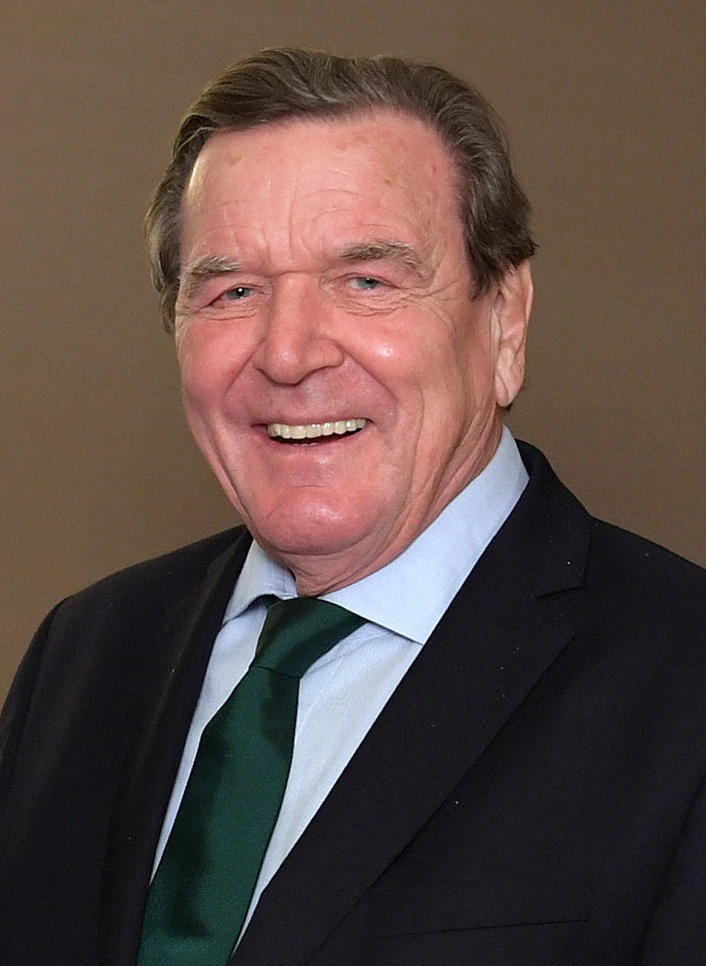
Which Gerhard Schröder are we talking about?

There are two notable Germans named Gerhard Schröder in the historical record. A same-name disambiguation shows there was also a different Gerhard Schröder (CDU) (11 September 1910 to 31 December 1989), which helps avoid confusing him with the later chancellor who served from 1998 to 2005.
The first is Gerhard Schröder (CDU), born 11 September 1910 and died 31 December 1989, a post-war West German politician who served in several cabinet roles. He is no longer living and has no relevance to net-worth discussions today. The second, and the one virtually every search query points to, is Gerhard Fritz Kurt Schröder, born 7 April 1944, who served as Chancellor of Germany from 1998 to 2005.
This profile is about the chancellor whose schroder net worth is tied to post-office energy roles. He is the subject of this profile. After leaving office he became a prominent and controversial figure in European energy politics, taking paid roles with Gazprom-linked and Rosneft-linked structures in Russia. That post-chancellorship career is the main driver behind his estimated wealth.
The net worth figure, pinned to today
As of June 2026, the working estimate used by most aggregators sits at approximately €20 million, with CelebrityNetWorth reporting $20 million USD and Prime Journal referencing the same €20 million figure as the commonly cited benchmark. Neither source claims this is a confirmed valuation. The range you will encounter across different outlets is roughly €15 million to €25 million, with variance driven almost entirely by differing assumptions about how much of his Russia-linked income was retained after taxes and expenses, and whether real estate and other private assets are included. Until Schröder publicly discloses holdings, no source can push past the estimate category.
Where the wealth likely came from
Schröder's wealth has four identifiable layers, each contributing differently to the overall picture.
Chancellor salary and pension entitlement
During his seven years as Bundeskanzler, Schröder earned a regulated government salary. More importantly, former German chancellors receive a statutory post-office allowance (Ruhegehalt and Amtsausstattung) that the Bundestag Wissenschaftliche Dienste has publicly documented. This includes a pension-like monthly payment and office/staff support. These entitlements are publicly governed, calculable from the relevant Bundestag frameworks, and form a guaranteed income floor. They are not large enough on their own to produce a €20 million net worth, but they represent a stable base that freed Schröder to take on lucrative private roles without needing to draw down capital.
Gazprom-linked pipeline roles
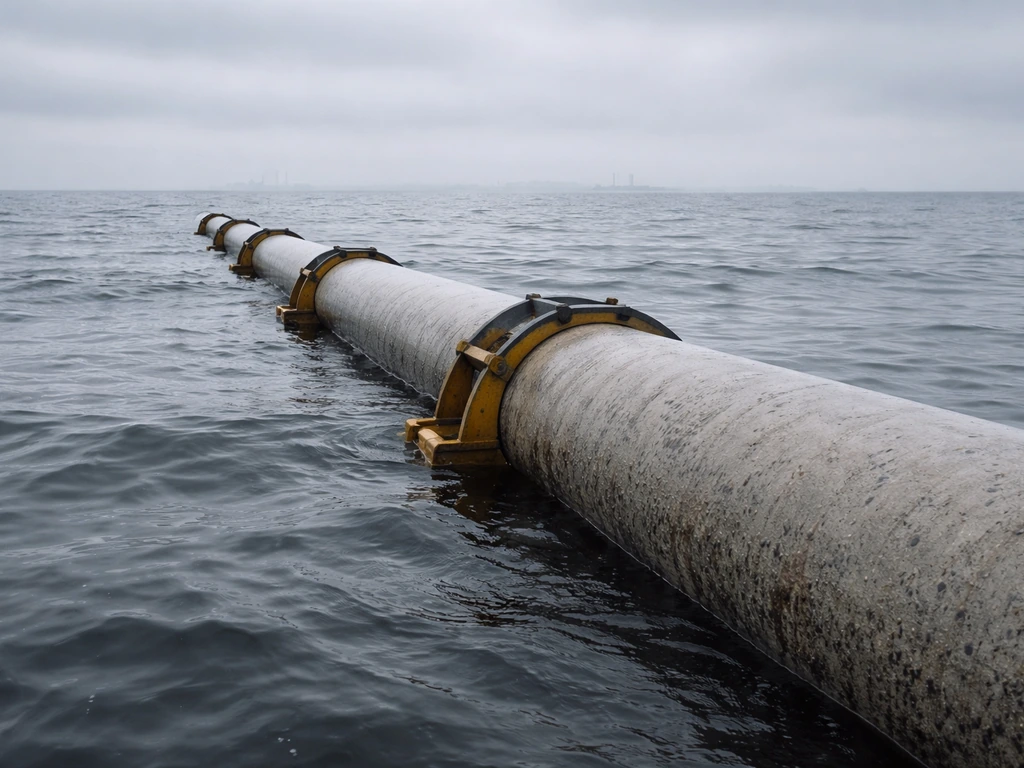
Within months of leaving the chancellorship in 2005, Schröder accepted a position as chairman of the shareholder committee of Nord Stream AG, the Gazprom-backed Baltic pipeline project. Taipei Times reported in April 2006 that the role paid €250,000 per year. He later assumed a leading role at Nord Stream 2 as that project developed. These roles ran for roughly 15 years and, taken together, represent several million euros in documented or credibly reported income.
Rosneft board compensation
In 2017, Schröder joined the supervisory board of Rosneft, Russia's state-controlled oil giant. The Washington Post reported the position was worth approximately $600,000 per year. Der Spiegel separately cited a €600,000 compensation figure for his board oversight role. He resigned from Rosneft in May 2022 under sustained pressure following Russia's invasion of Ukraine and related European sanctions debate. Before that exit, the Rosneft role alone added roughly $3 million to $4 million over the five years he held it, based on reported annual figures.
Legal and advisory work
Before entering politics Schröder practiced as a lawyer, and he has continued legal and consulting activities in the private sector. This stream of income is the least documented publicly, but it is a standard component of post-office careers for former heads of government and is factored into most estimates at a modest level.
Assets and holdings you can actually verify
Germany does not require former chancellors to file public asset declarations, so verified holdings are limited. What is publicly documented or widely confirmed includes the following.
- Real estate in Hanover, Germany: Schröder has long been associated with properties in the Hanover area, consistent with his political base, though no public registry search is required by German law to disclose these broadly.
- Nord Stream AG shareholder committee chairmanship (2005 to approximately 2022): The role and general compensation band are documented in press reporting, Gazprom governance disclosures, and contemporary news coverage.
- Rosneft supervisory board seat (2017 to May 2022): Rosneft's governance pages and SEC EDGAR-archived Rosneft filings can be used to cross-check the existence and nature of the board position; the compensation figures come from credible press reporting citing company-level disclosures.
- German federal post-office entitlements: The Bundestag Wissenschaftliche Dienste has published the framework for how former chancellors are compensated at public expense, making this component calculable even without personal disclosure.
What you cannot verify publicly: personal savings accounts, private equity stakes, personal real estate valuations, or any assets held through family or trusts. These gaps are why the estimate range is wide relative to the total figure.
Why different sources give different numbers
Net-worth aggregators use different methodologies, and for a figure like Schröder's, the methodology gaps are significant. Here is a breakdown of the main reasons estimates diverge.
| Factor | Low-estimate approach | High-estimate approach |
|---|---|---|
| Russia-linked income included | Only confirmed press-reported figures used | Full reported annual rates applied across all years in role |
| Tax and expense deductions | Assumes high effective tax rate on German income | Treats gross figures as closer to net retained wealth |
| Real estate and private assets | Excluded or conservatively valued | Estimated based on known locations and market rates |
| Post-office entitlements | Excluded as non-capital income stream | Capitalized as a lifetime income stream |
| Advisory and legal income | Minimal or zero | Estimated at market rate for senior political figures |
CelebrityNetWorth uses a single-figure model that typically reflects accumulated income minus lifestyle spending, without showing working assumptions. Prime Journal explicitly labels the €20 million figure as a common estimate rather than a verified valuation. Both are reasonable aggregations given the data available, but neither is audited. When you see wildly different numbers on minor sites, the most common explanation is that someone has either double-counted income streams or inflated Russia-linked compensation beyond what was reported.
How the wealth picture changed over time
Schröder's financial trajectory breaks into three clear phases, each with a distinct wealth impact.
- Pre-2005 (Chancellor years): Moderate public-sector salary, no significant private wealth accumulation documented publicly. Wealth at end of term was likely modest relative to his later earning potential.
- 2005 to 2017 (Nord Stream era): Annual compensation of approximately €250,000 from the Nord Stream committee role, sustained for roughly a decade, represents cumulative gross income in the range of €2.5 million from that role alone, before tax. Combined with advisory work and public entitlements, this is the period when meaningful personal capital likely began to accumulate.
- 2017 to 2022 (Rosneft board): The addition of a roughly €600,000 annual Rosneft fee on top of existing income streams is the single largest documented income event in his post-office career. Over approximately five years, this adds up to €3 million in gross reported compensation. This period is likely the primary driver of the €20 million estimate settling where it has.
- 2022 onward (post-Russia-role period): Schröder resigned from Rosneft in May 2022 and stepped back from Gazprom-linked roles under political and reputational pressure. The Bundestag also moved to reduce his state-funded office budget. His high-income phase has effectively ended, meaning the current estimate represents accumulated past wealth rather than ongoing high-rate accumulation.
The 2022 exits are the most significant recent wealth-impacting events. They closed off the largest income streams and introduced uncertainty about whether outstanding compensation obligations from those roles were fulfilled or clawed back. No public reporting has confirmed clawbacks, so the estimate is treated as if those earnings were retained.
How to check or update the figure yourself
If you want to do your own research rather than rely on aggregator figures, here are the most productive places to look, as of June 2026.
- Rosneft governance filings via SEC EDGAR: Rosneft has been subject to U.S. securities disclosure requirements at various points. The SEC EDGAR archive holds exhibits that include governance and remuneration disclosures. Search for Rosneft filings from 2017 to 2022 and look for supervisory board compensation tables.
- Gazprom official site (board of directors page): Gazprom publishes board and committee membership publicly. Cross-referencing membership dates against press reporting helps confirm the tenure and thus the income period for Nord Stream-related roles.
- Bundestag Wissenschaftliche Dienste publications: The research arm of the German Bundestag has published detailed PDFs on post-office entitlements for former chancellors (Ruhegehalt, Amtsausstattung). These are freely available on bundestag.de and let you calculate the public-sector component of income.
- German financial press: Outlets like Der Spiegel, Die Zeit, and Handelsblatt have covered Schröder's compensation in some detail. Searching their archives for years 2006, 2017, and 2022 gives you the most credible contemporaneous reporting on each income event.
- CelebrityNetWorth and Prime Journal: Useful as quick-reference benchmarks but should be treated as secondary aggregations. Check the date of the estimate, as figures are not always updated after major life or career events.
- Sanity-check method: Add up documented annual income figures from press-reported roles, apply a rough German top marginal income tax rate (around 45 percent including solidarity surcharge, though international arrangements may differ), multiply by years in each role, and add a modest real estate and savings component. If your result is materially above €25 million or below €10 million, you are likely missing a key assumption or double-counting a source.
One important limitation to flag: Germany does not maintain a public register of beneficial ownership or personal asset declarations for former political officeholders in the way some jurisdictions do. That means any figure you calculate remains an estimate unless Schröder or a legal proceeding produces direct disclosure. Given the controversies around his Russia ties, some financial reporting in German courts or oversight bodies may eventually surface more detail, but nothing of that nature has been made public as of June 2026.
How this compares to other notable Sch- surname wealth profiles
Among the public figures tracked on this site, Schröder's estimated €20 million places him firmly in the upper tier of post-political wealth accumulation in European politics, though it is modest compared to wealth profiles of business figures with the Schroder surname. If you are specifically looking for the latest figure, search results for Simon Schröeder net worth typically summarize the same €15 million to €25 million estimate range.
His trajectory is primarily income-driven rather than equity-driven, which distinguishes him from figures like those in the Schroder banking family whose wealth is tied to capital appreciation over generations. If you are researching other Schröder or Schreder-variant profiles on this site, the methodology differences between a political figure's estimated wealth and a business founder's documented equity stake are worth keeping in mind when comparing figures.
Kasper Schmeichel's net worth is typically estimated from his football earnings and endorsements, with figures varying by outlet Kasper Schmeichel net worth. If you are comparing wealthy former players and their income patterns, Kasper Schmeichel net worth is often discussed in a similar estimate style.
FAQ
Why is the gerhard schröder net worth estimate so variable, even when the same pay figures are repeatedly cited?
Yes, the range still makes sense even if you believe some reported board pay was high or low. Because Germany does not publish personal wealth declarations for former chancellors, estimates must infer retention after taxes, legal costs, and lifestyle spending, so changing assumptions easily moves the total by several million euros.
How can I tell whether a gerhard schröder net worth number is really “proved” versus just modeled?
Treat any number tied to “verified assets” with caution. In his case, there is no public audited balance sheet, and the article notes key asset categories (savings, real estate values, private stakes, family or trust holdings) are not publicly checkable, so “proof” claims are typically just methodology rather than disclosure.
What would most likely explain sudden spikes I see in some gerhard schröder net worth articles?
If a source claims his net worth increased right after 2005, that is usually reflecting income accumulation from post-office roles, not a jump in asset documentation. The more reliable driver in this profile is long-running paid positions, while private equity gains or property appreciation cannot be verified from public holdings.
Do estimates account for possible clawbacks or non-payment after his Russia exits in 2022?
Income reporting and sanctions pressure can affect whether compensation was paid in full, restructured, or legally disputed, but the article states no public reporting has confirmed clawbacks as of June 2026. If you see an estimate that assumes clawbacks happened, it is an additional assumption, not a documented fact.
Can the post-office pension and allowance alone explain gerhard schröder net worth?
Use the publicly documented entitlement layer only as an income floor, not as the reason for the full net worth. The article explains those post-office benefits are stable but not large enough by themselves to explain an overall €20 million estimate, so you still need to focus on later private roles.
What are the most common calculation mistakes people make when estimating gerhard schröder net worth?
Because the profile is income-driven and lacks transparent asset holdings, it is easy to double-count. A common mistake is counting the same board compensation twice, once as “annual salary” and again as “lifetime earnings,” or mixing a per-year figure with a different time window than the one the source describes.
How should I compare gerhard schröder net worth numbers across outlets without getting misled?
If you are comparing across sites, normalize the assumptions. Ask whether they include only retained earnings versus also assuming equity-like gains, and whether they use EUR or USD without consistent exchange-rate timing. The article notes the cited range shifts mainly from retention assumptions and whether private assets are included.
Could using the wrong dates for Nord Stream or Rosneft roles distort gerhard schröder net worth estimates?
Cross-check time windows and resignation dates. The article specifies his Rosneft supervisory board role ended in May 2022, so any estimate that uses a full year 2022 for that role, or overlaps Nord Stream and Rosneft in the wrong order, can drift upward.
What is the best next step if I want more than an estimate, given the lack of public disclosures?
Yes, but they matter most for certainty, not for broad ranking. The article says Germany does not maintain a public beneficial ownership register like some jurisdictions and no personal wealth declarations are required, so your best “next step” is looking for court filings or official oversight documents, if and when they appear, rather than chasing more aggregator updates.
Next Article
Emmanuel Schreder Net Worth: Estimate, Sources, and Proof Steps
Estimate Emmanuel Schreder net worth with identity checks, sourced figures, asset drivers, risks, and verification steps